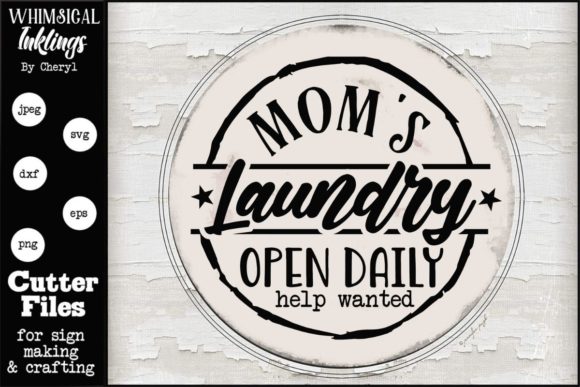
Mom’s Laundry Help Wanted – A Designer’s Perspective on Real-World Use
As an embroidery designer and product reviewer with years of hands-on experience, I’ve had the chance to evaluate countless machine embroidery designs, from whimsical quotes to intricate illustrations. The design titled “Mom’s Laundry Help Wanted” caught my attention not just for its humor but also for how it might translate into a real embroidery project. This isn’t just about whether it looks good in a preview; it’s about how it functions in practical applications like custom apparel or handmade products. Let’s dive into what this embroidery file offers—and where it might need a little extra care.
First Impressions: Humor Meets Design
The first thing that stands out is the clever quote itself—“Mom’s Laundry Help Wanted.” It’s a playful twist on a common household plea, which immediately gives the design a sense of personality. The layout appears balanced, with the text centered and perhaps some visual elements framing the message. As someone who values both aesthetics and usability, I appreciate the clear typographic choices here. If you're aiming for a sweatshirt embroidery or a tote bag design, the structure seems well-suited for those formats.
What I noticed next was the level of detail. Depending on the specific version (as no exact stitch count or format was provided), this could be either a simple text-based design or something more layered with applique design elements. Either way, the theme feels cohesive and ready to bring a smile to your customers or end users.
Visual Personality and Project Compatibility
This design naturally fits into casual, home-friendly projects. Think of a handmade product like a personalized apron for a new mom or a decorative pillow cover to add a touch of charm to a laundry room. Its tone is lighthearted yet sincere, making it ideal for personalized gifts and even small shop merchandise. However, it’s worth noting that while it may work beautifully on cotton or linen blends, the same can’t always be said for stretchy or thin fabrics without careful preparation.
Real-Life Application Scenarios
Let’s imagine a scenario: You’re creating custom holiday gifts for a local boutique. One of the items is a set of embroidered kitchen towels. “Mom’s Laundry Help Wanted” could serve as a perfect fill stitch element, adding character and a hint of fun. But before finalizing, you’d want to test it on scrap fabric to ensure that the stitch density doesn’t cause puckering or distortion, especially if the towel will be washed frequently.
If you're an Etsy seller looking to expand your line with nursery decor, this design might fit well as part of a themed collection. For instance, combining it with other household-themed design assets like “Laundry Basket Blessings” or “Fold Me!” could create a cohesive set of embroidered patches or wall art. Just make sure the thread colors contrast well against the background fabric to maintain legibility after multiple washes.
Another potential use case is a custom apparel item such as a baby onesie or toddler T-shirt. The humor is subtle enough to be appealing across age groups and would likely resonate with parents seeking unique, handmade touches for their kids’ wardrobes. However, because babies are notorious for wriggling and stretching, you should consider using a light stabilizer and avoiding high-stress areas like seams or collars when placing the design.
Where to Use with Caution
While “Mom’s Laundry Help Wanted” is versatile, there are several situations where you’ll want to tread carefully:
- Small hoop sizes: If the design includes detailed corners or tiny lettering, it may become distorted or lose clarity when shrunk too much.
- Textured fabrics: Materials like flannel or canvas can affect how smooth the satin stitch looks. Testing is key here.
- Thin or stretchy fabric: Without proper stabilizer, the design might pull or warp during stitching.
- Dark fabric backgrounds: Thread color visibility becomes crucial. Lighter thread colors won’t pop as well, so consider using white or cream threads for better contrast.
- Products needing frequent washing: Dense stitch areas might wear faster. Opt for simpler stitch types or reinforce them with interfacing.
For example, if you were planning to embroider a kitchen towel with this design, you'd need to balance visual appeal with durability. Too many dense stitches could lead to fraying over time, while too few might make the design feel flat. Finding the sweet spot between creativity and functionality is essential for any craft business or small shop product.
Customer Reaction and Market Fit
One of the strengths of this design is its relatability. Most people have experienced the chaos of laundry day, and a sign that turns that moment into a joke can be incredibly engaging. Whether it's displayed in a nursery, used as a gift tag, or stitched onto a cap for a dad-to-be, the sentiment is universal.
From a commercial embroidery standpoint, this kind of design has strong giftability and recognition value. Customers tend to remember quirky, meaningful pieces, which can help boost buyer engagement and repeat sales. That being said, if you're targeting a more formal audience—like corporate gifts or professional branding—you might want to pair it with a more elegant layout or adjust the placement to suit the context.
Professional Presentation and Brand Consistency
When considering brand consistency, the design must align with the overall style of your offerings. If your shop focuses on minimalist, modern designs, this one might stand out as a fun addition rather than a staple. On the other hand, if your brand leans toward cozy, humorous, and personal illustrations, this design could be a hit.
Ideally, you should test the design in black-and-white mockups to see how it holds up without color, and compare it on both light and dark fabric backgrounds. These steps will help you determine if the design needs adjustments for optimal visibility and impact. As a digital product seller, ensuring that your embroidery files are adaptable across different media and uses is critical for customer satisfaction and trust.
Designer Notes for Practical Success
Here are a few tips I've learned through trial and error when working with similar graphics:
- Test on scrap fabric first: Always do a sample run before stitching on final products. This helps catch issues with stitch direction, tension, or size.
- Review thread color contrast: Make sure the text is clearly visible against the fabric. Consider using a mix of thread colors for depth and dimension.
- Check stitch density: Especially in areas with curves or tight spaces, too many stitches can cause puckering or distortion.
- Confirm hoop size: If the design is large or includes complex shapes, you’ll need to know the recommended minimum hoop size to avoid cutting off important details.
- Inspect small details: If the design includes tiny elements or intricate borders, check how they render at different scales. Some machines struggle with very fine lines.
- Use proper stabilizer: Depending on the fabric type, a tear-away or cut-away stabilizer might be necessary to keep everything in place during stitching.
- Check licensing terms: Before selling finished items or digital products, verify the licensing agreement for the embroidery file to ensure compliance.
These considerations apply whether you're crafting a one-of-a-kind personalized gift or preparing bulk items for your craft fair products. Every machine and every material behaves differently, so testing is always a good idea.
Final Thoughts for Makers and Sellers
“Mom’s Laundry Help Wanted” is a great example of how a well-designed illustration can turn a mundane task into a conversation starter. It has the potential to elevate the look of a wide range of handmade products, from embroidered sweatshirts to decorative tea towels. What matters most is how you approach the project—thinking beyond the initial image to how it will perform in real-world conditions.
As a designer, I recommend using this design on projects where humor and warmth are valued, and where the fabric allows for clear stitch definition. Avoid placing it on curved surfaces unless you’re confident in your machine’s ability to handle the shape. And always, always confirm the file format, compatibility, and licensing terms before moving forward—especially if you plan to sell the finished product online or in person.
In short, this design has charm and character. With the right setup and materials, it can enhance your creative output and connect with customers on a personal level. Just remember: the best embroidery projects are those that are thoughtfully planned and tested, not rushed into production.