Reviewing the Rain Walking Flat Color Vector Character for Real Embroidery Projects
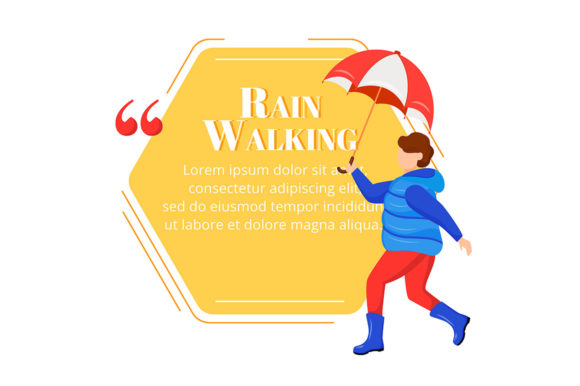
As an experienced designer and embroidery product reviewer, I always approach a new embroidery file with a mix of curiosity and caution. The Rain Walking Flat Color Vector Character is no exception. This design presents a charming scene: a child in gumboots, wearing a coat, holding an umbrella under wet weather. It's one of those graphics that immediately brings a warm, whimsical mood to any project it’s applied to.
First Impressions and Visual Personality
Opening the ZIP file, the first thing that stands out is the simplicity and clarity of the vector character. The flat color style gives it a modern, almost illustrated look that feels both nostalgic and fresh. The use of bold outlines and minimal shading makes it easy to adapt across different backgrounds and thread colors. The speech bubble or quotation text box element adds a nice touch for customization—perfect for quotes, names, or messages on personalized gifts or handmade products.
From a design perspective, this graphic template seems well-suited for projects where storytelling matters. Whether you're creating a custom sweatshirt for a rainy-day theme or a tote bag design for a boutique shop, the visual personality of the character can add emotional value and brand recognition. It naturally fits into themes like childhood memories, seasonal motifs, or even nursery decor.
A Perfect Fit for Certain Projects
- Custom Apparel: The character works beautifully on sweatshirts and t-shirts, especially when paired with a soft pastel palette or muted tones that reflect the rainy-day theme.
- Baby Clothes & Accessories: A kid in a raincoat and boots instantly evokes a sense of innocence and fun, making it ideal for baby items like hats, bibs, or onesies.
- Handmade Products: For handmade product lines such as aprons, pillow covers, or tea towels, the graphic maintains its charm while being adaptable enough to complement various styles.
- Holiday Gifts: During colder months, the rain motif can subtly tie into holiday themes, especially if used on gift bags, mugs, or decorative patches.
- Etsy Listings & Boutique Branding: The clean layout and empty text box make it great for digital previews, printable mockups, and branding materials. It allows for quick personalization without overwhelming the viewer.
Real-World Performance and Stitch Clarity
When it comes to stitching performance, the machine embroidery design handles well on most mid-to-heavy weight fabrics. The flat color style avoids intricate shading, which means it doesn’t rely heavily on stitch density variations. That said, there are some practical considerations to keep in mind before moving to production:
- Thread Color Contrast: While the character itself is stylized for simplicity, ensuring high contrast between thread colors and fabric background is key. Test how it looks on both light and dark materials to maintain visibility.
- Stabilizer Use: Because of the character's shape and potential placement on curved or layered surfaces (like a cap or hoodie), using proper stabilizer is essential to avoid puckering or distortion.
- Test on Scrap Fabric: Before applying it to a final product, run a test stitch on scrap material. This helps catch any issues with stitch flow, especially in detailed corners or around the speech bubble.
- Hoop Size Consideration: The design may require a larger hoop due to the size of the character and surrounding elements. If your project involves smaller areas, consider scaling down carefully or looking for a simplified version.
- Surface Texture Matters: On textured or stretchy fabrics, the smooth lines of the flat color vector might lose their crispness. Stick to smoother materials for the best results.
Where Caution Is Needed
Despite its versatility, there are specific scenarios where the Rain Walking Flat Color Vector Character should be used with care:
- Small Hoop Sizes: If your project requires tight spacing, such as on a patch or embroidered cap, the character could appear cluttered or lose definition.
- Dark Fabrics: The visual impact of the character may be reduced on darker materials unless you choose bright or metallic thread options.
- Dense Stitch Areas: The design includes fill stitches and satin stitches that can become too heavy if not properly spaced. Overlapping designs or placing it near other dense embroidery might lead to stiffness or damage to the fabric.
- Frequent Washing: Items like aprons or kitchen towels will need to withstand regular washing. Ensure the design is stitched securely and the threads are colorfast to prevent fading or fraying over time.
Design Impact on Product Value and Customer Perception
What sets this embroidery design apart is its ability to elevate the visual appeal of everyday items. When stitched onto a sweatshirt embroidery piece, it transforms a simple garment into something meaningful and memorable. For personalized gifts, the inclusion of a customizable text area makes it feel tailored and thoughtful—an important factor in customer satisfaction and repeat sales.
For commercial embroidery purposes, the design contributes positively to brand consistency. Its uniform style and structure make it easy to integrate into a cohesive product line. As an embroidered patch or part of a set of design assets, it can help build a recognizable identity for your craft business or small shop product offerings.
On Etsy or at craft fairs, this kind of design can boost buyer engagement. The imagery is relatable and often sparks conversation—something every creative entrepreneur wants from their product. It also enhances the perceived professionalism of your work, showing attention to detail and a refined aesthetic.
Designer Notes for Optimal Use
Here are a few tips based on real-world application:
- Always review the stitch density settings before starting a large batch. Dense areas can cause tension issues, especially on thin or stretchy fabrics.
- Check whether the design works in black and white or grayscale for listings that might be viewed on low-resolution screens. Sometimes, a simpler palette increases readability and appeal.
- Confirm the hoop size requirements. If not provided in the digital embroidery file, scale accordingly and test for accuracy.
- Inspect small details like the edges of the boots or the curvature of the umbrella. These are common problem spots in machine embroidery and may need extra support during stitching.
- Consider the fabric texture and adjust stabilizer types accordingly. Light stabilizers for delicate fabrics, cutaway for heavier ones.
- Before selling finished items or digital products, check licensing terms. Some graphic templates allow commercial use, others do not. Make sure your project complies to avoid legal pitfalls.
Final Thoughts for Makers and Sellers
The Rain Walking Flat Color Vector Character is a versatile addition to your embroidery toolkit. It brings a gentle, expressive quality to your projects that’s hard to replicate with basic shapes or generic clipart. However, like any good machine embroidery design, it needs to be handled with care depending on the context of use.
For hobbyists and handmade shop owners, it's a solid choice for adding narrative depth to items like tote bags, pillow covers, or holiday gifts. For apparel decorators and digital product sellers, it offers a ready-made asset that can be easily adapted for client requests or seasonal collections.
In summary, this vector character isn’t just another graphic—it's a thoughtfully crafted embroidery file that tells a story and builds connection. Just remember to tailor its use to the right project, fabric, and audience. With the right preparation, it can become a standout feature in your finished product lineup.