Welcome to the Haunted House
As an experienced embroidery designer and product reviewer, I always look for designs that not only capture a theme but also translate well into real-world applications. Welcome to the Haunted House is one of those designs that immediately grabs attention with its spooky charm and bold typography. The phrase itself is playful yet ominous, making it a perfect fit for Halloween-themed projects while still being versatile enough for other creative uses. In this review, I’ll walk through how this design might perform in various scenarios—both personal and commercial—and what considerations you should keep in mind before stitching it onto your next project.
A First Glance: Mood and Design Language
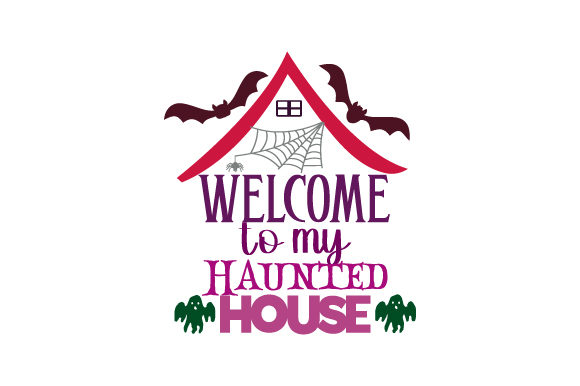
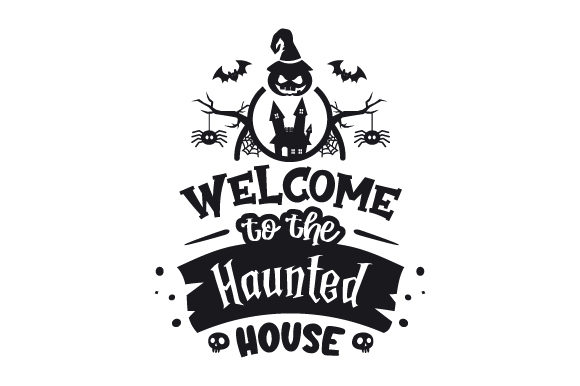
The first thing that stands out about Welcome to the Haunted House is its visual personality. It’s not just a simple quote—it feels like a scene from a classic haunted house story, complete with eerie fonts and whimsical illustrations that suggest ghosts, ghouls, or maybe even a crooked doorframe. The layout is clean and centered, which makes it easy to adapt to different products without feeling cramped or stretched. The level of detail is moderate; it’s not overly intricate, which is a big plus when considering how it will stitch on various materials and substrates.
This kind of design naturally belongs in custom apparel, signage, and home décor. The mood is lighthearted but with a hint of macabre fun, so it works best on items that are meant to be decorative rather than high-utility. Think sweatshirt embroidery, tote bag designs, or even holiday gifts with a twist.
Real-Life Scenario: Custom Embroidered Tote Bag
Let’s imagine using Welcome to the Haunted House on a custom tote bag for a seasonal pop-up shop. The design would instantly catch the eye of customers looking for something festive. The main text is large and legible, which is great for visibility from a distance. The supporting graphics add character without overwhelming the message, striking a nice balance between cute and creepy.
However, there are a few things to consider before finalizing the placement. If the tote fabric is textured or stretchy, the fine lines in the graphic elements could become distorted. Also, if the background color is dark, thread contrast becomes essential. I’d recommend testing the design on a scrap piece of the same material you plan to use, especially if you're aiming for a professional finish or planning to sell it as part of your craft business.
Performance Across Project Types
Welcome to the Haunted House shines brightest on mid-to-large sized items where the design can breathe. Here's a breakdown of how it might perform across several common embroidery projects:
- Sweatshirts & T-Shirts: The central positioning and bold lettering make it ideal for front placements. For back-of-shirt embroidery, you may want to scale it up slightly for better impact.
- Tote Bags: Works well for both flat and canvas-style bags. Just ensure proper stabilizer use to prevent puckering, especially if the fabric is thin or stretchy.
- Baby Clothes: Probably not suitable unless you’re going for a cheeky “spooky little guest” vibe. The font size and graphic details may be too small or intense for delicate baby wear.
- Patches: Could be adapted into an embroidered patch, particularly for Halloween costumes or themed accessories. Be mindful of stitch density to avoid stiffness.
- Aprons & Pillow Covers: These are excellent surfaces for showcasing the design. The visual weight of the words fits well with the overall aesthetic of handmade kitchen or home goods.
- Tea Towels & Blankets: Offers a fun holiday touch. On tea towels, check that the colors don’t fade after multiple washes. On blankets, consider the softness of the fabric and how the stitches will lay.
- Etsy Listings & Boutique Branding: As a digital embroidery file, it adds instant value to your offerings. Use it in printable mockups to show potential buyers how it looks on different items.
Where to Use It Carefully
While this design has broad appeal, it’s not a one-size-fits-all solution. Certain situations call for more caution:
- Small Hoop Sizes: The design’s moderate complexity means it won't work well in tiny hoops. You may need to simplify or crop parts of it, which could affect the message.
- Textured or Stretchy Fabrics: The subtle linework and stylized lettering may not hold up well on fabrics like denim, fleece, or spandex blends.
- Dark Backgrounds: Thread colors included in the design may not stand out enough. Consider swapping some hues or using white or metallic threads for contrast.
- Curved Surfaces (e.g., Caps): The alignment of the text and graphics may shift during embroidery due to fabric tension. Test it on a cap before committing to a production run.
- Frequent Washing: Items like baby clothes or dish towels require durable stitching. Make sure the design uses appropriate stitch types and densities to withstand repeated laundering.
Visual Appeal and Customer Reaction
One of the strengths of Welcome to the Haunted House is its ability to evoke emotion. It’s got a clear visual identity that speaks to nostalgia and humor, two powerful triggers for buyer engagement. Customers who appreciate quirky, thematic designs will likely love this. It could serve as a standout item in your handmade product lineup or elevate a gift basket with a Halloween flair.
But remember, not all audiences are the same. While kids and teens might find it hilarious, others could see it as too cheesy or over-the-top. That said, it's a safe bet for seasonal events, parties, or themed boutiques. The design’s recognizable style gives it a strong sense of brand consistency, especially if you already have a line of spooky or autumnal products.
Designer Notes for Real Projects
If you're planning to use Welcome to the Haunted House in your next project, here are a few practical tips based on my experience:
- Test on Scrap Fabric: Before committing to a client project or bulk order, stitch it on a sample of your intended fabric to evaluate how the design holds up.
- Check Thread Color Contrast: Especially if the background is dark. Sometimes, the default thread palette doesn’t translate well visually, and adjusting can improve clarity and impact.
- Review Stitch Density: Dense areas might cause puckering or distortion. Lighten fill stitches or adjust spacing depending on the fabric type.
- Confirm Hoop Size: Since no exact hoop size is listed, verify whether your machine supports the dimensions required for full detail. Don’t assume—measure!
- Inspect Small Details: The subtleties in the design matter. If you're working on a high-end item like a personalized gift, you'll want to ensure every ghostly curve is stitched cleanly.
- Test in Black and White Mockups: This helps identify areas where color might not be necessary, and where contrast needs to be improved for readability.
- Use Proper Stabilizer: Especially on thinner or stretchier materials. A tear-away or cut-away stabilizer can make a big difference in the finished product's quality.
- Check Licensing: If you plan to resell finished products or offer the digital embroidery file as a download, confirm whether licensing allows for such use. This is crucial for commercial embroidery or Etsy sellers.
Final Thoughts for Makers and Merchants
In the world of machine embroidery designs, Welcome to the Haunted House offers a fresh take on a familiar phrase. Its mix of whimsy and horror makes it appealing for a wide range of craft business applications, from Halloween decorations to custom apparel. However, it's not without its limitations. The design’s charm lies in its simplicity, but that same simplicity can become a challenge if scaled incorrectly or used on the wrong fabric.
For small shop products or personalized gifts, it can boost recognition and customer interest. But for high-volume or utility-focused items, a bit of customization or adaptation may be needed to ensure it performs well and remains attractive over time.
Overall, Welcome to the Haunted House is a solid choice for anyone looking to inject some seasonal fun into their embroidery work. Just take the time to test it properly and consider your audience. With a little care, it can become a favorite in your collection of design assets and a valuable addition to your handmade shop inventory.